
October 2026 Newsletter
October 1st, 2026



Welcome to the Fun Enterprises Newsletter
October 2026
"I'm so glad I live in a world where there are Octobers." — L.M. Montgomery
Get this bi-monthly newsletter directly in your inbox!
Kids and Family

Indigenous Peoples' Day, Monday October 12th, 2026
11 ways to observe Indigenous Peoples’ Day with children
How to Honor Indigenous Peoples with Your Kids, Today and Every Day
Halloween, Saturday October 31st, 2026
75 Easy Halloween Crafts for Kids That Make Spooky Season Even More Fun
60 Halloween Treats Guaranteed To Spook-ify Any Party
56 Homemade Halloween Costumes to Show off Your DIY Skills
Thanksgiving, Thursday November 26, 2026
Conference season is here!
We are looking forward to seeing everyone at these upcoming conferences:
NEACUHO - October 7-9 (Look for us on the 8th!)
NACA Hartford - November 5-7
NASPA Region I - November 14-17
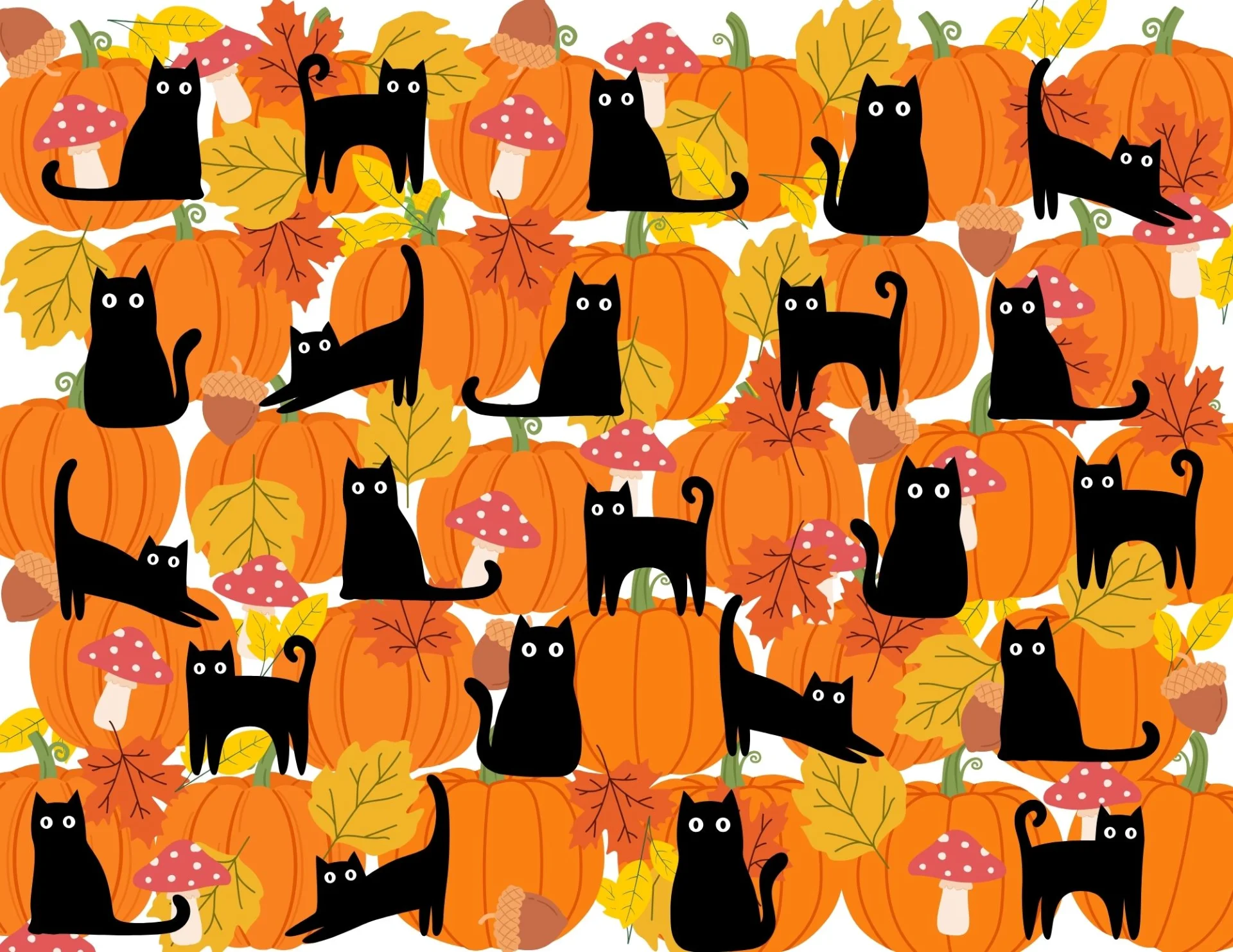
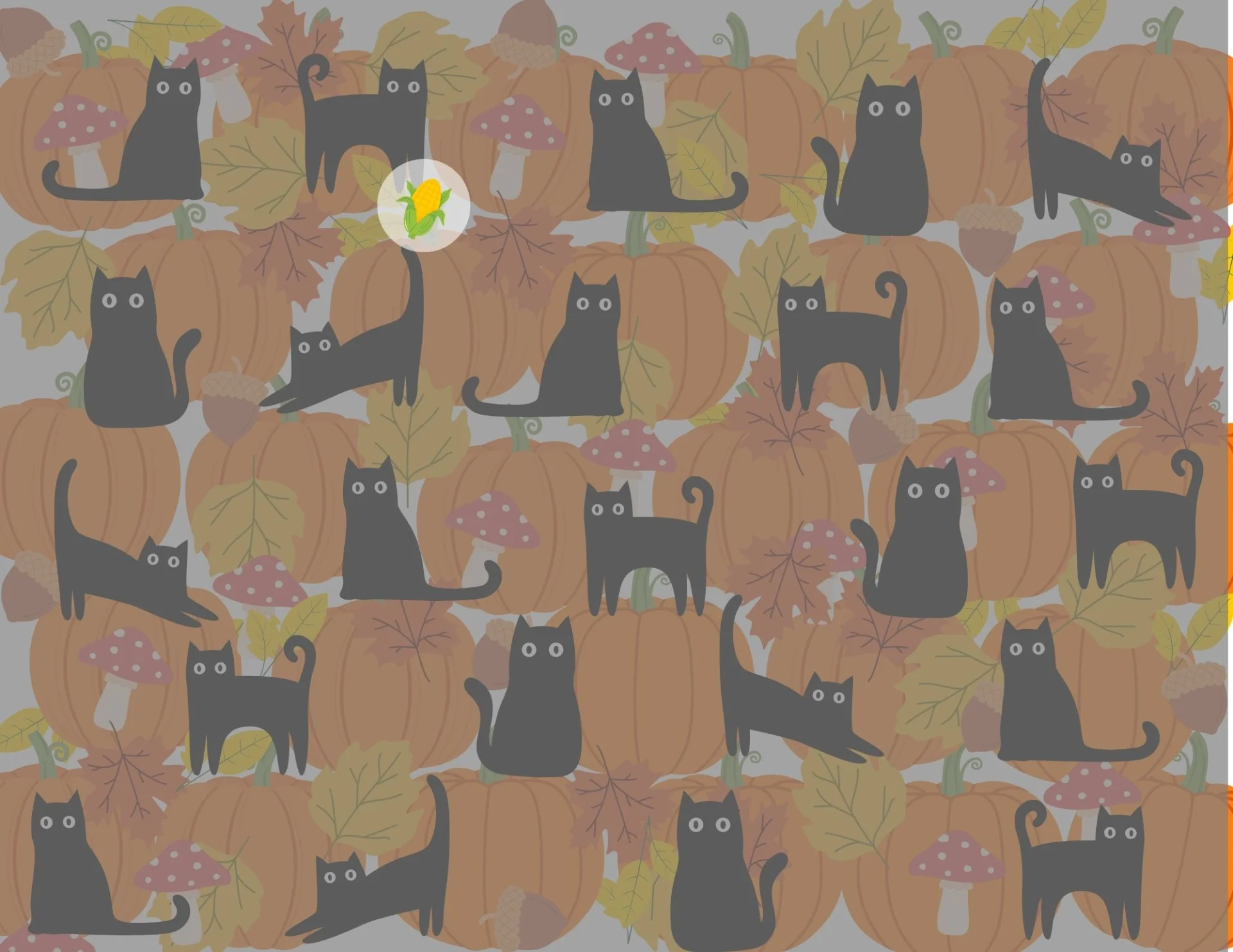
Find The Hidden Object
There's a corn on the cob hidden in this pumpkin patch!
Can you find it?
Anecdotes and Advice from AC

AC Anders, CMP.
VP of Corporate Events
Have a question for AC?
Please reach out to her directly at
617-838-5691
The Budget May Be Flat, But the Need for Connection Isn’t
It’s hard to believe we are already talking about 2027. Where did 2026 go?
As we head toward the end of the year and start having conversations with clients about next year’s events, I’m hearing something more and more: budgets are tight.
In particular, some companies are taking a harder look at spending on social events, community-building programs and team-building. And I get it. When budgets are tight, every dollar has to work harder.
But here’s the thing: the need for employees to connect, have FUN and feel part of a community hasn’t gone away just because the budget is flat.
I’ve Been There!
Before my years in the entertainment and events industry, I worked in higher education. And let me tell you, I became very familiar with the phrase “do more with less.”
There was always a need to create programs and experiences for students, but there wasn’t always more money to make it happen. So I learned to get creative.
Maybe we would plan one larger program and supplement it with several smaller activities. Maybe we would find a different way to use an existing space. Or maybe we would rethink what we were doing altogether.
The goal was still the same: create something meaningful without spending money we didn’t have.
And I think some of those same lessons apply to corporate events today.
Think Differently About the Budget
If your budget isn’t growing, that doesn’t necessarily mean your events have to disappear. It may just mean you need to look at them differently.
Instead of one large event, could you create one bigger experience and a few smaller opportunities to connect throughout the year?
Could you bring the FUN to your office instead of paying for a separate venue?
Could you choose an interactive experience that gives people something to do together instead of spending the majority of your budget on food and a fancy space?
Could you create smaller programs for different departments or locations instead of trying to bring everyone together at once?
Sometimes a little creativity can go a long way.
Start With the Experience, Not the Price Tag
One of the things I love about what we do at FUN is that there isn't a one-size-fits-all answer.
When a client tells me, “AC, this is what we have to work with,” I don’t immediately think, “Well, that’s not enough.”
I think, “Okay, what can we do with it?”
Because the best event isn't necessarily the biggest or most expensive one. It’s the one where people walk away saying, “That was fun!” or “I really enjoyed getting to know my coworkers better.”
Those experiences matter.
And when budgets are tight, I think they may matter even more.
Think Flexibly About 2027
As you start planning your 2027 events, it may also be worth considering a more flexible approach to your event budget.
Instead of deciding that you have to spend X dollars on one specific event, consider creating a budget that gives you some options. Build in the ability to scale a program up or down depending on attendance, business conditions or what makes sense at the time.
And talk to your event partners early.
Give us your goals and your budget and let us brainstorm with you. We may be able to come up with an idea you hadn't considered—or find a way to modify a program so you can still accomplish what you want without blowing the budget.
After all, I've spent a lot of my career figuring out how to make things happen with the resources available.
A tight budget doesn't have to mean a year without FUN.
Sometimes the most creative ideas come from having a few limitations.
So as you start planning for 2027, my advice is simple:
Start with what you want your employees to feel and experience, and then build the program around the budget—not the other way around.
There may be more possibilities than you think.
And if you need someone to brainstorm with you, you know who to call.
Program Spotlight!
Take a closer look at one of our newer programs:
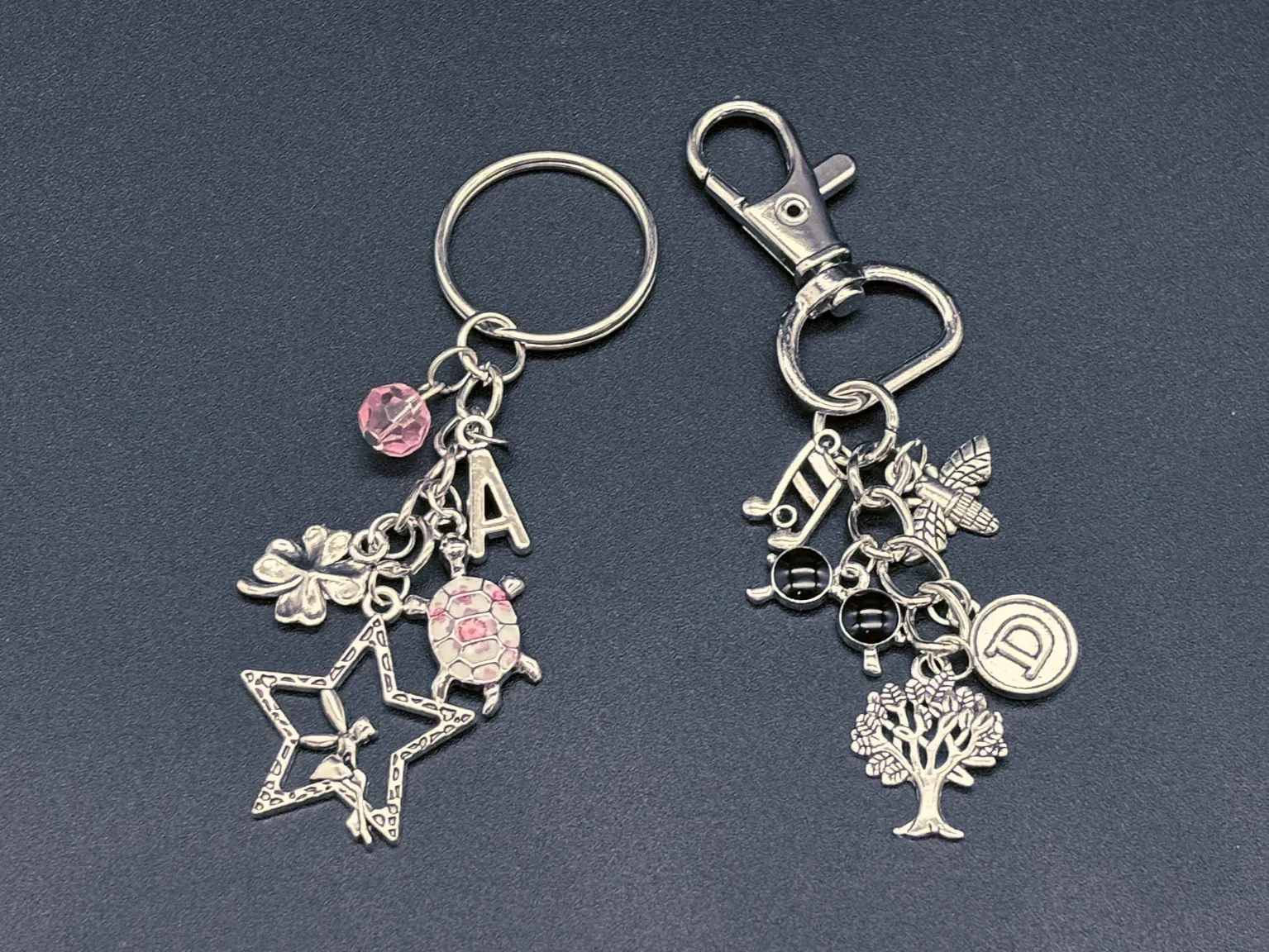
FUN Charms, a hands on program you can carry with you everywhere.


9 Ways Senior Leaders Can Promote Creativity

by Amma Marfo
This piece from Amma may be nearly a decade old, but its lessons couldn't be more timely. In the years since she wrote it, our campus climates and cultures have changed for a number of reasons: COVID-19, funding challenges, political pressures, and the advent of AI. But navigating all of those changes requires teams to call on their creativity. And if you've got a team that's struggling to tap into theirs, you do have the power to uplift them. Amma talks about why - in this blog post, and in several of her on-campus or virtual sessions geared toward cultivating collaborative creativity.
I spend a lot of time thinking about creativity. How to encourage people to find their own, how to expand the definition of it, how to make the case for its utility in organizations. But what I also spend a lot of time on, is pondering what environments need to help people be creative. A lot of organizations have chosen to focus on the space in which people work – hence open offices, Ping Pong tables, whiteboards, and all those other “office perks” that companies put in place to set themselves apart.
But things don’t make an organizational culture. People do. And the people in that organization – be it a student club, a nonprofit, or a corporation – should have philosophies about work that are congruent with the environment they build and attract prospective employees with.
This congruence came to mind again a few weeks ago when I read this report from the Center for Creative Leadership, about senior leadership behaviors that sabotage innovation. It’s one thing to say, “we love creative ideas,” but it is quite another to foster an environment that truly does that. As such, I want to turn around their findings, thus sharing nine ways that you can ensure your surroundings promote the innovative impulses of your team.
(1) Encouraging creativity.
And I mean really encouraging it. Not just saying “no idea is off-limits,” only to later poke holes in the ones that don’t match what’s previously been done or what solutions were expected. I wrote about the many ways that leadership can articulate dedication to creativity in Cultivating Creativity– and the way that’s most effective:
Leadership over creative individuals, or over individuals with whom you’d like to work creatively, requires a shift in thinking from the way we’ve typically conceived of supervising and managing. In the earliest waves of management, we believed that giving employees permission was the highest form of agency we could provide. Managers and supervisors are custodians of a work environment, and the manner in which people worked was up to them.
Then, leadership and management theory moved away from language of permission and into the language of support. “This individual has my support” was the new way of saying that someone was allowed to work in a different direction than they might have originally. While this change was welcome, this language is challenging because it still puts the onus of directing a project, a department, or an organization in the hands of the leader. The modern workforce is evolving to where having support still isn’t enough. So what comes next?
My answer: truly transformative creative work will come when individuals don’t have permission, or have support, but when they feel supported. While it may seem like a subtle semantic change, I believe it matters. It matters because it changes the responsibility of the manager or supervisor. Helping someone feel supported is a collaborative process. It requires the joint understanding of an employer and an employee, a patron and a protégé, a leader and a team member.
Leadership practices that help people feel supported, whether their idea goes well or poorly (more on that later) is more likely to foster further creativity. I speak often of how important collaboration is to creation; to help someone feel supported is far more collaborative than “you have my support,” and certainly more so than “do whatever you want.” As a creator, how can you articulate the importance of such support? And as a leader, how can you articulate or demonstrate that support to those under your employ?
(2) Evaluating ideas thoroughly, including resources and systems.
There is a time and place to prioritize ideas based on feasibility and resources. That time is not the very instant after the idea is presented. Perhaps the most precious resource that creativity needs to thrive and take hold is time; remember that when an unfamiliar idea is presented. Choosing to evaluate an idea for feasibility at that introduction point fails to truly examine the needs that idea addresses, the resources truly available (and what changes could be made if needed). In the Cultivating Creativity framework, the commitment to thoroughly evaluating an idea is a function of determination. Two traits of a workplace determined to be creative that I strongly recommend embracing and continually implementing:
A determined environment periodically assesses the resources of those dedicated to solving problems. Are they well equipped to address the issues at hand? Where are there gaps? How can those gaps be filled? And how can those in relatively higher positions of power assist in filling those gaps?
When assessing decisions, these environments encourage open-minded assessment of ideas and pitches. Go into negotiations or ideation sessions with a “how can we make this work?” orientation, rather than a “here’s why this won’t work” orientation.
(3) Pushing a Bottom-Up Approach.
After moving to an electronic system for ticketing at my last institution, we had a misfire on how tickets were distributed. I was embarrassed that a system I had championed had failed relatively early in its deployment and had disappointed students. One of those students, more agitated than many, came to see me. I asked her “what would you have me do?” and listened to her reply; the answer was a good one. Later in the day, we re-deployed the ticket acquisition process incorporating her suggestion. She was right.
Good ideas can come from anyone. This means that ideas can be acted on whether they come from the top of the organization, or from someone elsewhere in the pipeline – who sees challenges or problems from a wholly different perspective than those in leadership. As a leader, do you acknowledge the validity and truth in those perspectives, even (especially!) if they don’t align with what you’re seeing?
(4) De-Emphasizing Structure and Hierarchy
One challenge to allowing ideas to rise from wherever they originate, is finding the professional mechanism, or personal courage (or both!) to convey that idea upward in the organization. If we’re convinced people in power won’t listen or honor what we think, we hold ideas in- ideas that can make a difference if supported and funded.
So while it’s unlikely that most companies will dismantle their hierarchical structure simply to ensure the free sharing of information (and, as many learned from the lessons at Zappos, such a move isn’t necessarily productive), it is possible to lower the intimidation factor when it comes to voicing a problem or suggesting a solution. A few quick ideas:
- Anonymous idea submission
- Organizational mentorship programs
- Unconference-style professional development
- Recurring opportunities to get to know leadership
Finding the Joy with Lexi
The holiday season, specifically from Halloween through New Years, holds many traditions for families and friends. Whether it’s a yearly costume contest, hosting an ugly sweater party, or always ringing in the new year together, some groups hold onto their traditions tightly.
While it is always nice to continue traditions passed down from past years, it can be exciting to try and implement new ones here and there! The “Bits of Joy” in this month's newsletter are for those who maybe don’t have any standing traditions or want to explore starting a few new ones to their list.


What I Learned on My First Date in 20 Years

by Debra Holland
As a Gen X woman, I figured I had this online dating thing in the bag when I started about a year ago. After all, I lived through the birth of the internet. I survived dial-up, chat rooms, music pirating and everything that's come since. I'm not naïve about what people are capable of behind a screen. So how bad could online dating possibly be? I'd go in with my eyes wide open, use some common sense, stay safe and keep an open mind. Easy enough. Let's go on my first date.
We'll call him David. David was cute. We started chatting on a Sunday morning and seemed to hit it off. We were at similar stages in life, had things in common, etc. I won't bore you with the details. He asked me out that first day, and we made plans for Thursday. We chatted all week, and as Thursday got closer, I was getting more and more excited.
Now let me explain something. This was my first date in about 20 years. I was nervous. Of course, I'm a girly girl, so I got dolled up. Hair, makeup, clothes, shoes, bag—the whole thing. I was feeling pretty good about myself until Nervous Nelly started rearing her giddy little head.
I decided I'd arrive five minutes early and sit in my car. Apparently, five minutes is plenty of time to reconsider every decision you've made that led you to this particular parking lot. Eventually I couldn't sit there anymore, so I went inside to wait at the bar.
I told the hostess I was meeting someone, and she sent me in to look around. With my face getting red and nervous excitement somehow turning into a permanent shit-eating grin, I started slowly walking down the bar. That's when it occurred to me: I was looking for someone I'd never actually met. Suddenly I felt like a fish out of water, casually trying to look at everyone's face without looking like I was looking at everyone's face. I finally gave up, found an empty seat and ordered a glass of wine. I really needed one.
A few minutes later, David texted that he'd arrived. Then he walked in, and I learned my first important lesson about online dating: meet face-to-face before you allow yourself to get too excited about someone.
He had no teeth.
Okay, let me rephrase that. He had a few white ones, but mostly they were black and broken. OMG. I can't make this stuff up. Then there were the clothes. Jeans, a T-shirt and sneakers are perfectly fine with me. I don't need fancy and I certainly don't need wealthy, but these looked like the clothes he'd worn while mowing lawns all day. I spent all that time on the hair and makeup. A shower would have been nice.
Needless to say, I was disappointed. But believe it or not, this is where the night gets better.
At one point I excused myself, and a waitress caught me in the hallway. "Are you on a first date?" I laughed. "Is it that obvious?" She gave me an "Oh girl, please." Apparently, it was. But then she asked if I was okay. I told her I was fine, but I understood what she was really saying: I've got my eye on you. She didn't know me, but suddenly I knew I had a friend in that room. That small gesture from this young woman meant the world to me.
Eventually I told David I didn't feel we were a match. He didn't take the rejection particularly well. I had to say no more than once, and eventually he got a little angry, paid the bill in a huff and left. I held my tongue. I'm a mature woman. I don't need to fight with people, and I don't need to explain myself over and over. I said no. That was enough.
The minute he left, every woman working at that bar seemed to converge on me. My young friend immediately checked that I was okay. When I told her this had been my first date in 20 years, she insisted on buying me a shot. The bartender joined us with a few funny observations from her front-row seat to the evening's festivities, and another server started telling us about her sister's online dating adventures.
So, there I sat, sipping my consolation shot of amaretto and laughing with women I hadn't known an hour earlier. These women had quietly watched out for me all night without my even realizing it. One made sure I felt safe; another made me laugh, and another made me realize perhaps my disastrous first date wasn't all that unusual.
I'd walked into that bar convinced everyone knew I was on a first date. As it turns out, they probably did. Maybe that wasn't such a bad thing after all.
My first date in 20 years certainly didn't end the way I'd hoped. I didn't meet Prince Charming. I didn't even make it to date number two. But I learned that online profiles don't tell the whole story, meeting face-to-face matters, "no" doesn't require a lengthy explanation, and sometimes complete strangers will quietly look out for you simply because they recognize another woman who might need someone in her corner.
I went into that bar hoping to make a connection. Funny enough, I did.
Just not with my date.
Happy Holidays?

by Ken Abrahams
It is October, which means we are officially entering three months of a wide range of holiday celebrations. Halloween, on October 31, kicks off the season, and if you are shopping—or even just driving around—you have probably noticed that the stores have been preparing for months. Home Depot, Lowe’s, Walmart, Costco and many others are filled with inflatable ghouls, goblins and witches, along with headstones, monsters, scary pumpkins and just about anything else you can imagine. Store shelves are overflowing with bags of snack-sized goodies, while floorspace is littered with even more bins of tasty treats that will keep dentists in business for years to come.
Before the leaves are even off the trees, yards will be festooned with decorations ranging from genuinely scary to downright charming. It is either a sensory celebration or complete sensory overload, depending on your perspective.
Long before all the Halloween candy has been sold—or eaten—we will make the inevitable pivot to Thanksgiving. Monsters and superheroes will disappear, replaced by displays of real and plastic flowers, plants and leaves. The Food Network will provide chapter and verse on how to host the perfect Thanksgiving and cook the perfect golden-brown, moist and juicy turkey. And, of course, there will be warnings and horror stories about the people who decided that deep- frying a turkey was a good idea and discovered otherwise.
Co-workers will share their favorite—and least favorite—holiday foods, and the annual debate will rage: jellied cranberry sauce from a can or whole cranberry sauce? Following Thanksgiving, there will be the usual discussion about overeating, football and those relatives you only see once a year for a reason.
Then it is off to the races for Christmas and, to a lesser degree, Hanukkah. Long before the Thanksgiving merchandise has even reached the clearance aisle, stores will be gearing up for Christmas. And when I say stores, I mean both brick-and-mortar retailers and online businesses. For many retailers, Christmas is when they make a large portion of their profits, so it is a very important time of year.
For many of us, however, it can also be a very stressful time. There is the pressure—and the expense—of the season. Did I buy gifts for everyone I need to? What happens if someone gives me a gift I wasn't expecting? How do I respond without looking like a complete jerk? Some people actually buy extra gifts to have on hand just in case. Nothing says “holiday spirit” quite like an emergency gift inventory.
There are, however, plenty of ways to reduce the stress and actually enjoy the last quarter of the year.
First, set a realistic budget for October through December. Include food, costumes, gifts and the money you expect to spend attending social functions. It is amazing how quickly a few holiday parties, dinners and “small” purchases can turn into a very large number.
If you are hosting a holiday gathering and doing the cooking, stay in your comfort zone. If you have never made a deep-fried turkey or a Turducken, perhaps Thanksgiving is not the time to make your culinary debut. Keep the menu simple. Your guests are there to spend time with you, not to watch you spend six hours chained to the kitchen.
Plan your menu early, and make as many dishes as possible ahead of time. A great cooler—or two—can be a lifesaver. Depending on the quality of the cooler, food can stay hot for four to six hours. If, for example, you are serving dinner at 2:00, many dishes can be finished around noon, wrapped, placed in the cooler and still be ready to serve when your guests sit down. It is basically a low-tech warming oven, and it doesn't require an engineering degree.
And finally, ask for help. There is no shame in it. Have someone bring a side dish, set the table, help clean up or simply pour you a drink while you are trying to remember what you forgot.
Most of all, enjoy the holidays. They are supposed to be about spending time with family and friends, making memories and enjoying traditions—not about creating the perfect meal, buying the perfect gift or turning your home into the North Pole.
The holidays will come and go whether everything is perfect or not. You might as well enjoy them.
Book Review by Erica Lombardi
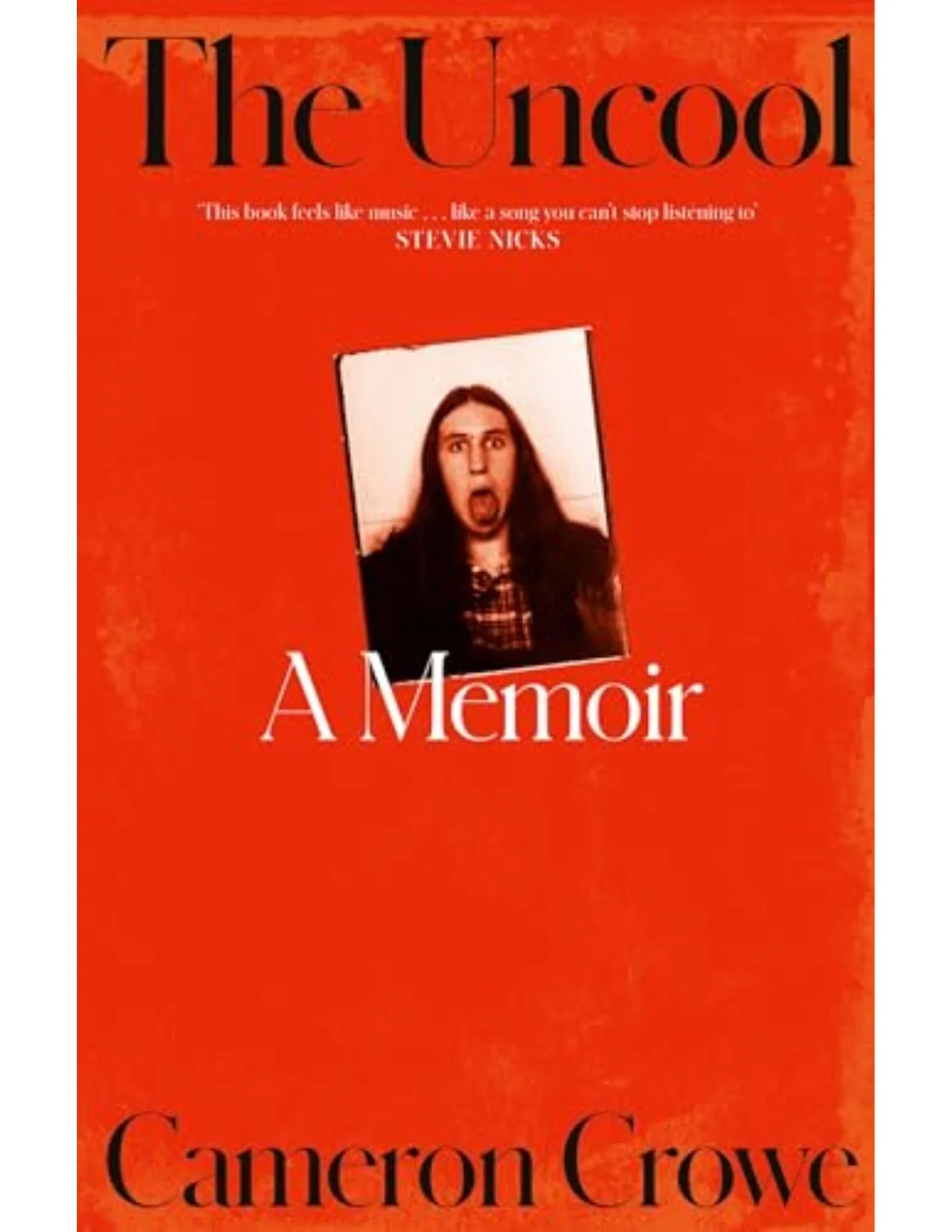
The Uncool by Cameron Crowe
⭐⭐⭐⭐
I recently read The Uncool by Cameron Crowe. I picked it up because I was in a bit of a reading rut and celebrity memoirs almost always get the pages turning for me, but it turned out to be much more substantive than many celebrity memoirs of the current era. Many know Crowe as the prolific filmmaker of Almost Famous or Jerry Maguire, but this book focuses on Crowe’s early beginnings as a music writer. Before he was a filmmaker, Crowe began writing cover stories for Rolling Stone at only fifteen years old.
As you can imagine, working independently at 15 years old in an industry that has a reputation for egos & debauchery created the perfect landscape for endless stories about the industry’s most famous and infamous stars. But what struck me the most while reading Crowe’s anecdotes wasn’t just the wild things that went down given his access to Led Zeppelin, David Bowie, and the Eagles, but the power that Crowe’s naivety brought him. Because Crowe was too young and dumb (for lack of better words) to overthink if he belonged, he fit right in.
On the road with famous rock bands, Crowe was repeatedly offered drugs, and his answer was always no because he was genuinely uninterested. He didn’t try to seem cool or careful about his image, and instead of getting pushed out for it, musicians would just shrug and say, "Smart kid, more for me," and let him stay exactly where he was, notebook in hand. I can imagine that this would be difficult for someone older. They would be nervous to seem uncool or offend, but for Crowe, the very thing that could have made him an outsider ended up being what let him keep his front row seat.
Crowe’s deep introspection on his adolescence working for Rolling Stone is really what makes this memoir sing. It's not just a rock and roll tell all (though it's a great one). It's full of small, anecdotal moments, the kind you can only get by actually living them, not by planning them out in advance. Crowe writes like someone who's still a little amazed it all happened to him, which made his story all the more inspiring. These seemingly serendipitous moments serve as a reminder that we’re almost never going to feel 100% ready to take a leap, instead sometimes its best to just jump!
If you’re looking for a story with a strong beginning, middle and end or a classical character arc, this isn’t your book. However, I highly recommend picking up The Uncool by Cameron Crowe if you’re looking for a sign to take a leap of faith. If you're similar to me and you roll your eyes at books telling you to "manifest your dream life" or "just believe in yourself," this isn't that. The Uncool isn’t handing out affirmations. Crowe just shows you, story after story, what actually happens when someone shows up no matter how clueless, and lets things unfold. No framework, no five-step method, just a kid who said yes before he had a reason not to. Sometimes that's a better nudge than any self-help book could give you.
Looking for a great program? Our Bear Friends Forever never disappoints!
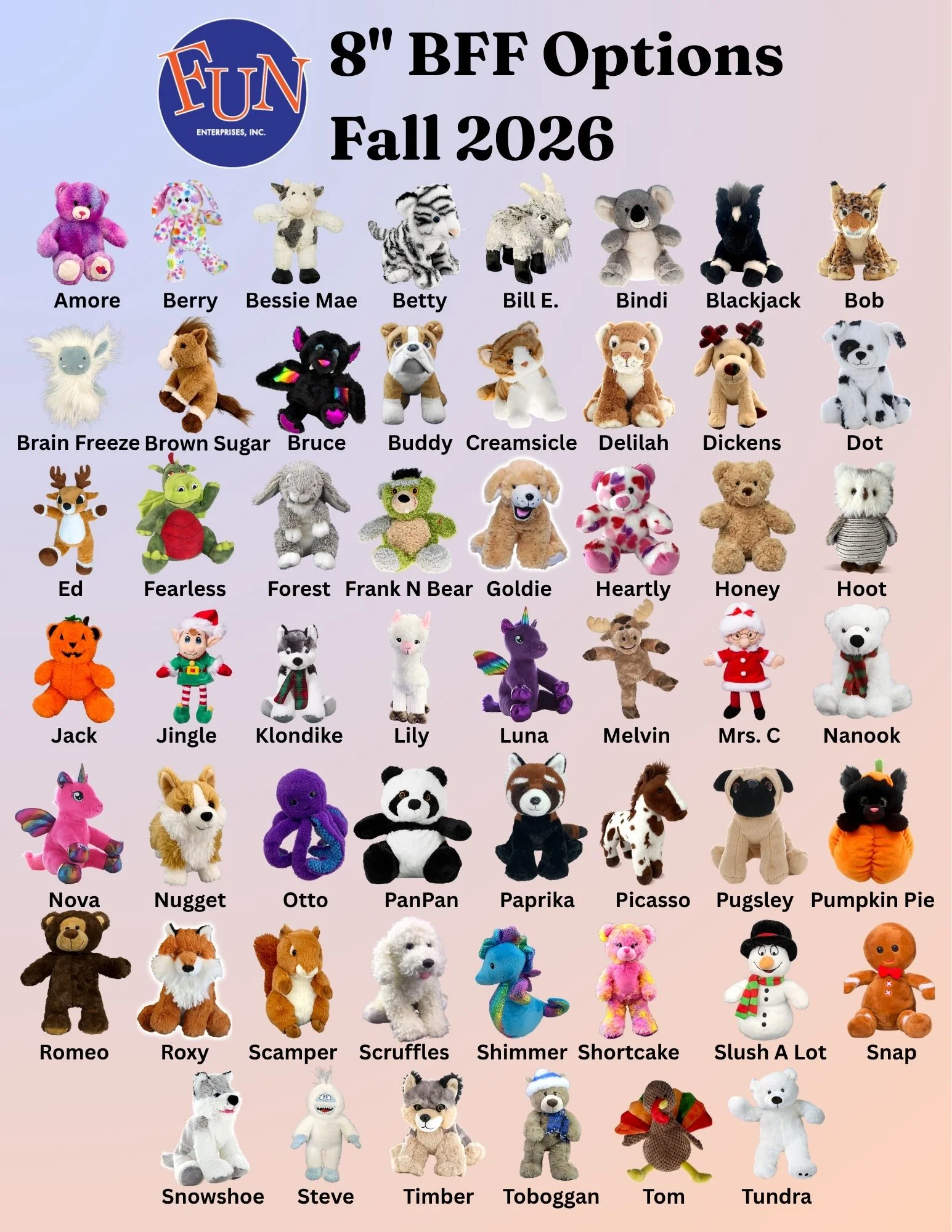
*Subject to Availability
Call 781-436-3187 or email
Ken Abrahams ([email protected]) for College/University Events
AC Anders ([email protected]) for Corporate Events
Erica Lombardi ([email protected]) for Private Events
Brainteasers

1. They come out at night without being called, and are lost in the day without being stolen. What are they?
2. Four cars come to a four-way stop, each coming from a different direction. They can’t decide who got there first, so they all go forward at the same time. All four cars go, but none crash into each other. How is this possible?
3. What kind of room has no walls, door or windows?
Math Riddles

1. 5 cats catch 5 mice in 5 minutes. How many cats catch 100 mice in 100 minutes?
2. 3 monkeys share a bunch of bananas. The first monkey takes 3 bananas. The second monkey then takes half of the remaining bananas. The third monkey takes the last banana. How many bananas were in the original bunch?
3. A person’s age is five times what it was 12 years ago. So how old is the person now?

Kim's Corner
Click the links below for some great ideas, recipes, and FUN!
Random Trivia

1. Which constellation is especially prominent in the Northern Hemisphere's evening sky during the fall?
2. Which U.S. state is the nation's largest producer of pumpkins?
3. What is the official word for the sound of leaves and trees rustling in the wind?
Gardening

10 Fall Gardening Tasks to Make Your Garden Sing Next Spring
New England Fall Planting Guide | What to Plant Before the First Frost
Avoid These Fall Gardening Mistakes in Massachusetts
A New England Garden by the Month
Have you viewed Ken's Tuesday@10 Video Blogs?

Sign Up to get Ken's Video Blogs sent directly to your inbox every Tuesday@10!
Puzzle Answers:
1. Pegasus
2. Illinois
3. Psithurism (pronounced sith-yuh-riz-uhm)
1. Stars
2. They all made right-hand turns
3. A mushroom
1. Still just 5 cats, each cat catches 1 mouse per minute!
2. 5
3. 15 years old.
Newsletter compiled and edited by
Lexi Grabowski
October 2026

Thank you for taking the time to read our newsletter!